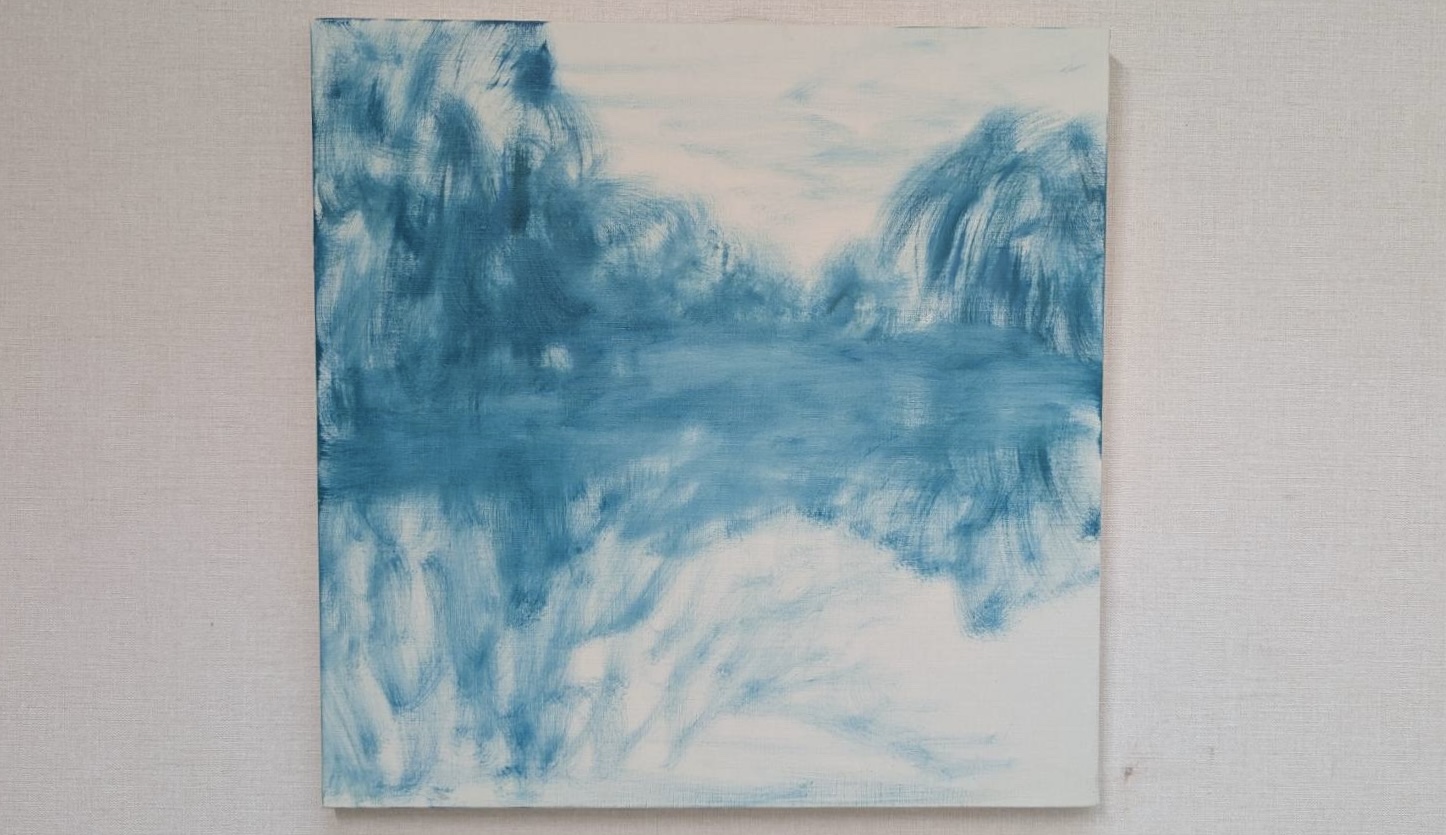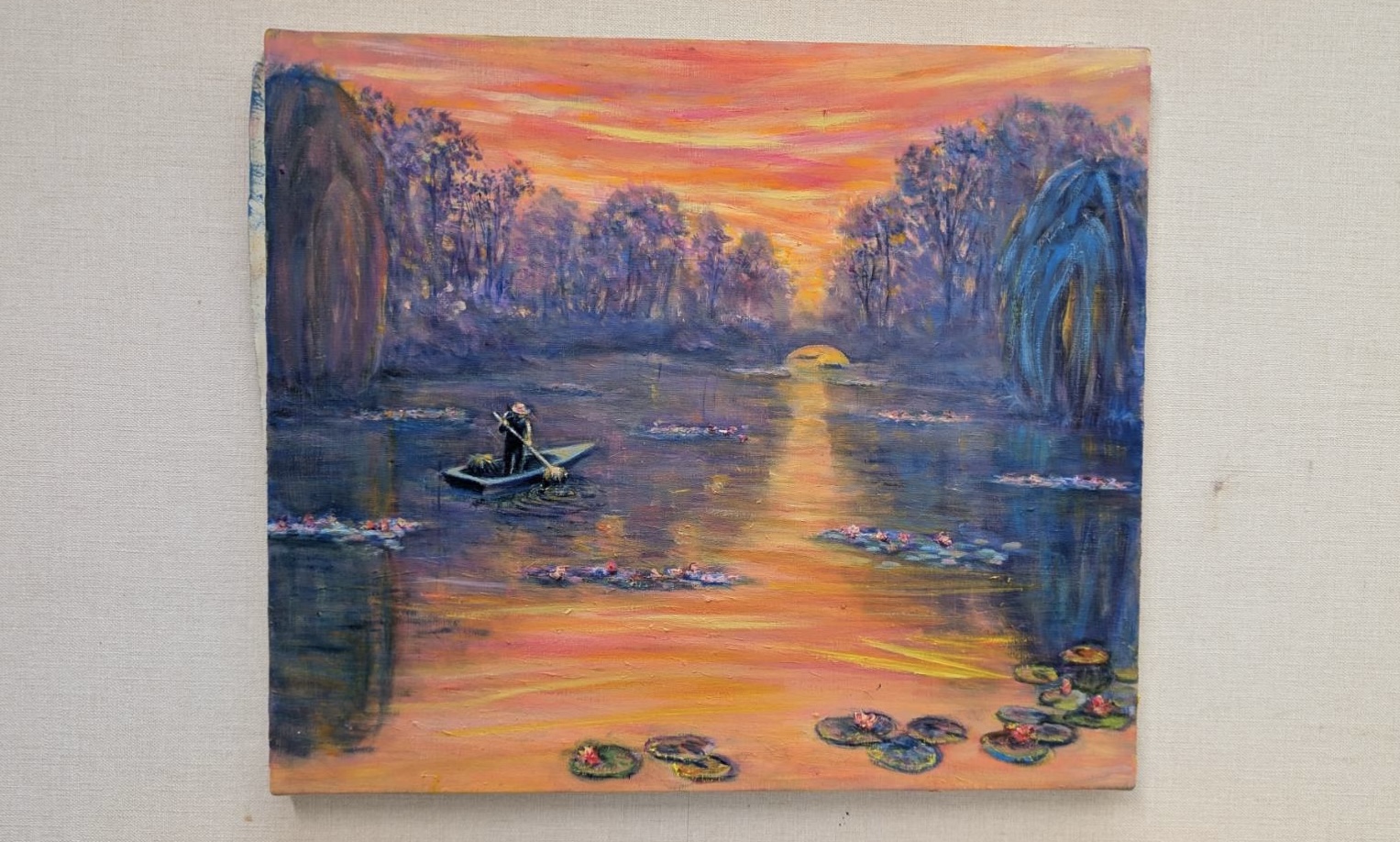

Oil painting is a medium that has captivated artists around the world for centuries. Its greatest appeal lies in a sense of richness and depth of color that no other medium can replicate. In this article, I explore the fundamentals of oil painting — and share my own approach of working without sketches, guided entirely by inspiration.
The Basics of Oil Painting
Oil painting uses pigments mixed with a drying oil such as linseed oil, thinned with a painting medium and applied in flowing strokes across the surface. Unlike watercolor or acrylic, oil painting is typically done on canvas — linen stretched over a wooden frame — rather than paper.
One of its defining qualities is slow drying time, which allows the artist to work and rework the surface at a measured pace. Once fully dry, however, oil paint becomes exceptionally durable. The fact that Van Gogh's Sunflowers and Leonardo da Vinci's Mona Lisa retain their vivid colors after hundreds of years is a testament to that lasting strength.
What Sets Oil Painting Apart
The defining quality of oil painting is a sense of weight and richness — a visual depth that simply cannot be achieved with any other medium. Mixing paint with oil improves the flow of the brush and brings out a luminous quality in the colors. Layering color upon color builds a tonal depth that is, to my mind, the very heart of what makes oil painting extraordinary.
Few works illustrate this better than Vermeer's The Milkmaid. The interplay of natural light from the window, the subtle expression on the woman's face, the texture of the bread, the milk — the painting conveys warmth, sound, and even the faint sound of humming. This kind of presence is only possible through the slow, deliberate layering of oil paint, adjusted with medium to achieve exactly the right consistency at each stage.
My Painting Process
I never sketch on the canvas before I begin. My reason is simple: I want the movements of my heart throughout the process to find their way into the finished work.
The conventional approach is to apply a ground layer, draw the composition in charcoal or pencil, fix it with a spray of fixative, and then begin painting. I have no objection to that method — but working from a detailed sketch toward a predetermined outcome feels deeply at odds with how I create. What I value above all is the flash of inspiration that arises during the act of painting itself.
News
Blog
Contact